
Papillon Puppies: Health, Common Concerns, and What Future Owners Should Know
Papillon puppies are admired for their elegant butterfly-shaped ears, bright intelligence, and affectionate personalities. Despite their small size, Papillons are confident, lively, and surprisingly sturdy dogs. For families considering adding a Papillon puppy to their home, one of the most important questions is about health.
Are Papillon puppies healthy, and what health concerns should future owners be aware of?
At our breeding program, health, temperament, and responsible breeding are top priorities. This page provides clear, honest information about Papillon puppy health, common breed-related concerns, and how proper care and ethical breeding practices support a long, happy life.

Are Papillon Puppies a Healthy Breed?
Yes, Papillon puppies are widely considered one of the healthier toy breeds. They are known for their longevity, often living well into their teens, and they typically enjoy an active lifestyle throughout their lives.
Papillons are not a fragile breed when properly bred and raised. While no dog is entirely free from health risks, Papillons generally experience fewer serious genetic issues than many other small breeds. Responsible breeding, health screening, and proper care play a significant role in maintaining this reputation.
Common Health Concerns in Papillon Puppies
Below are the most common health concerns seen in Papillon puppies. These conditions are not guaranteed to occur but are important for future owners to understand.
Patellar Luxation (Loose Kneecaps)
Patellar luxation is one of the more common orthopedic conditions seen in small dog breeds, including Papillons.
This condition occurs when the kneecap temporarily slips out of place, which may cause occasional limping or a skipping motion while walking. In many cases, the condition is mild and does not affect the dog’s quality of life.
Preventative care includes:
-
Maintaining a healthy weight
-
Avoiding excessive jumping from heights
-
Regular veterinary checkups
Responsible breeders evaluate parent dogs to reduce the risk of this condition being passed on.
Dental Health Concerns
Dental health is an important consideration for all toy breeds, including Papillons. Their small mouths can lead to crowded teeth, which increases the risk of plaque buildup and gum disease if not properly maintained.
Common dental issues include:
-
Tartar buildup
-
Gingivitis
-
Retained baby teeth
Routine dental care, including regular brushing and professional cleanings as recommended by a veterinarian, helps prevent long-term dental problems.
Progressive Retinal Atrophy (PRA)
Progressive Retinal Atrophy is a genetic eye condition that can affect Papillons. PRA causes gradual vision loss over time.
Reputable breeders screen breeding dogs for known genetic eye conditions, significantly reducing the likelihood of PRA in puppies. Regular veterinary eye exams are also important for early detection.
Hypoglycemia in Puppies
Like many small-breed puppies, Papillon puppies may be prone to hypoglycemia (low blood sugar) during early puppyhood, especially if meals are skipped or delayed.
Signs may include:
-
Lethargy
-
Weakness
-
Shaking
Feeding small, frequent meals and monitoring energy levels during the first few months typically prevents this issue. Most puppies outgrow this sensitivity as they mature.
Tracheal Sensitivity
Some Papillons may have mild tracheal sensitivity, which can cause coughing if pressure is placed on the neck.
To reduce strain:
-
Use a harness instead of a collar
-
Avoid leash pulling
-
Maintain a healthy weight
This condition is generally manageable and not common in well-bred Papillons.
Heart Health
Papillons, like many small breeds, can be prone to heart conditions such as mitral valve disease later in life. Regular veterinary checkups allow early detection and management.
Breeding dogs should be evaluated for heart health to help reduce inherited risks.

Ear Health
Papillons have large, fringed ears that require routine maintenance. Without proper care, wax and moisture buildup can lead to ear infections.
Weekly ear checks and gentle cleaning help keep ears healthy and infection-free.
The Importance of Responsible Breeding
Responsible breeding plays a critical role in the overall health of Papillon puppies.
A reputable breeder:
-
Health tests breeding dogs
-
Avoids breeding dogs with known genetic issues
-
Provides proper prenatal and early puppy care
-
Ensures puppies receive veterinary exams and age-appropriate vaccinations
-
Focuses on temperament, structure, and long-term health
Ethical breeding practices help ensure puppies are well-prepared for a lifetime as family companions.

Nutrition and Overall Health
High-quality nutrition supports healthy growth, strong joints, dental health, and immune function.
Papillon puppies benefit from:
-
Premium small-breed puppy food
-
Consistent feeding schedules
-
Proper portion control
-
Gradual food transitions
Maintaining a healthy weight is especially important for joint and heart health.
Exercise, Training, and Mental Stimulation
Papillons are intelligent, energetic dogs that thrive with both physical and mental engagement.
Daily exercise, training, and interactive play help prevent boredom and promote emotional well-being. Many Papillons excel in obedience, agility, and other dog sports.
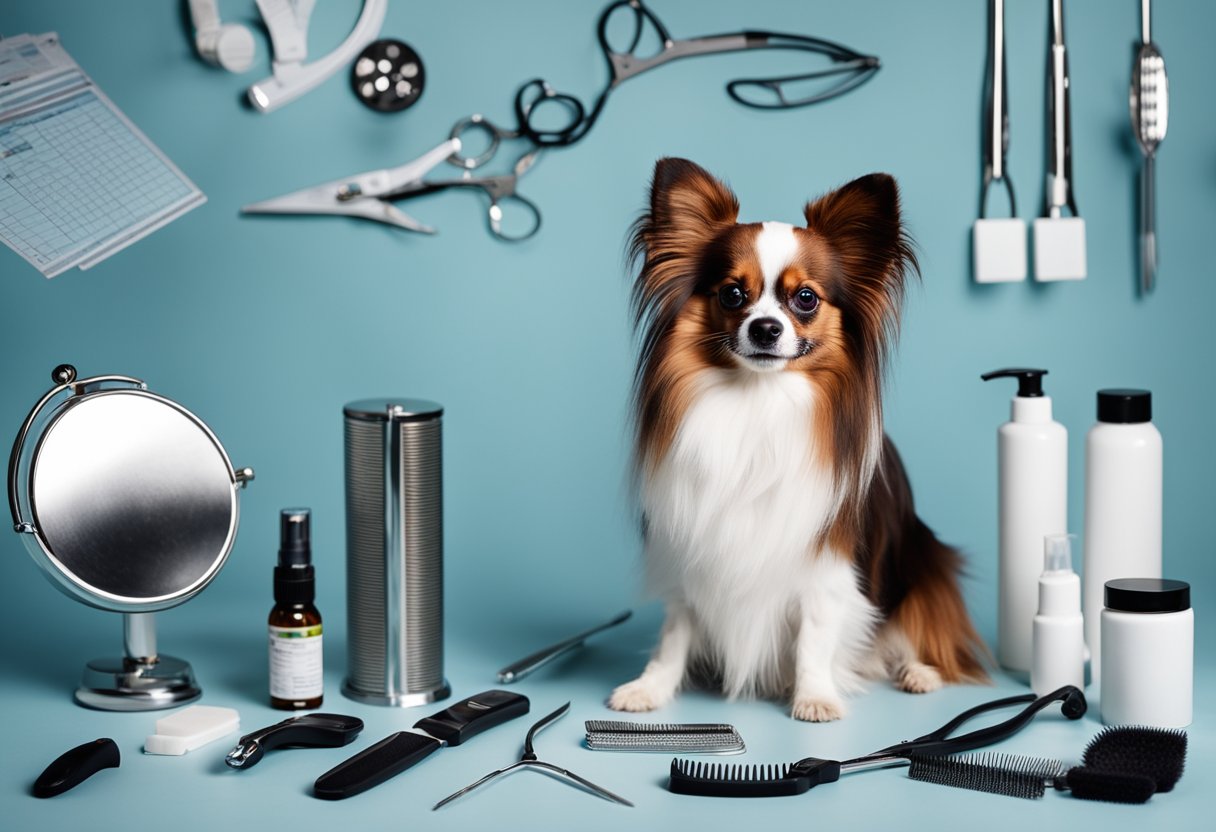
Grooming and Preventative Care
Papillons have a single-layer coat that is relatively easy to maintain.
Routine care includes:
-
Brushing several times per week
-
Regular nail trimming
-
Dental care
-
Ear cleaning
-
Occasional bathing
Regular grooming also allows owners to spot potential health concerns early.
Lifespan and Long-Term Outlook
Papillons are known for their longevity, with an average lifespan of 14–17 years.
With proper care, many remain active, alert, and affectionate well into their senior years. Their combination of intelligence, health, and loving nature makes them a wonderful long-term companion.
Frequently Asked Questions (FAQ)
Are Papillon puppies healthy?
Yes. Papillon puppies are generally a healthy breed, especially when bred responsibly and cared for properly.
What are the most common health concerns in Papillon puppies?
Patellar luxation, dental disease, hypoglycemia in early puppyhood, PRA, and mild heart or tracheal concerns.
Do Papillons have breathing problems?
No. Papillons have a normal muzzle length and are not considered a brachycephalic breed.
Are Papillon puppies good family pets?
Yes. Papillons are affectionate, intelligent, and adaptable, making them excellent companions for families and individuals alike.
How can I help my Papillon puppy stay healthy?
Regular veterinary care, proper nutrition, dental hygiene, exercise, grooming, and choosing a responsible breeder all contribute to long-term health.
Our Commitment to Healthy Papillon Puppies
Our goal is to raise Papillon puppies that are not only beautiful but also healthy, confident, and well-socialized. Through responsible breeding practices, early care, and ongoing support, we strive to place puppies in loving homes where they can thrive for years to come.

Leave a Reply